Ratcheting Agreement
At Google while I was Sundar’s Tech Advisor, I built a tiny team called TAG, the Tech Advisory Group. Our mission was to support Sundar and Google’s most strategic endeavors, from improving how we used OKRs and KPIs (despite Google’s history with OKRs, many teams struggled to use them effectively) and staying up-to-date on technical advances, to long-term visioning and risk analysis. It was a thrilling and tense job during the creation and emergence Large Language Models. It’s a real source of satisfaction to look at products and strategies today that came out of our work.
Birds on a wire
By far the hardest part of the job — and the most challenging to teach — was managing the limited time and misaligned incentives of senior leaders. At Big Tech companies, senior leaders are running Fortune 500-sized businesses. Unlike those CEOs, internal leaders also have to navigate strategy taxes, align with the overall company vision, and navigate peer teams with overlapping responsibilities.

TAG was often responsible for finding solutions that cut across those senior leaders — and all of their differing incentives and goals. Our friend Fred had a great comment about the position we were in:
You are birds on a wire. You’re between incredibly powerful people and like a bird on the wire, if you touch either pole you’re going to get fried.
It was such a powerful point, it became how we described ourselves. Birds on a wire. We were catalysts, expediters, and innovators, but we needed to operate with zero explicit authority and our wins would always come through other leaders’ success.
Almost always, that required them to succeed — and agree — with other leaders.
Ratcheting 101
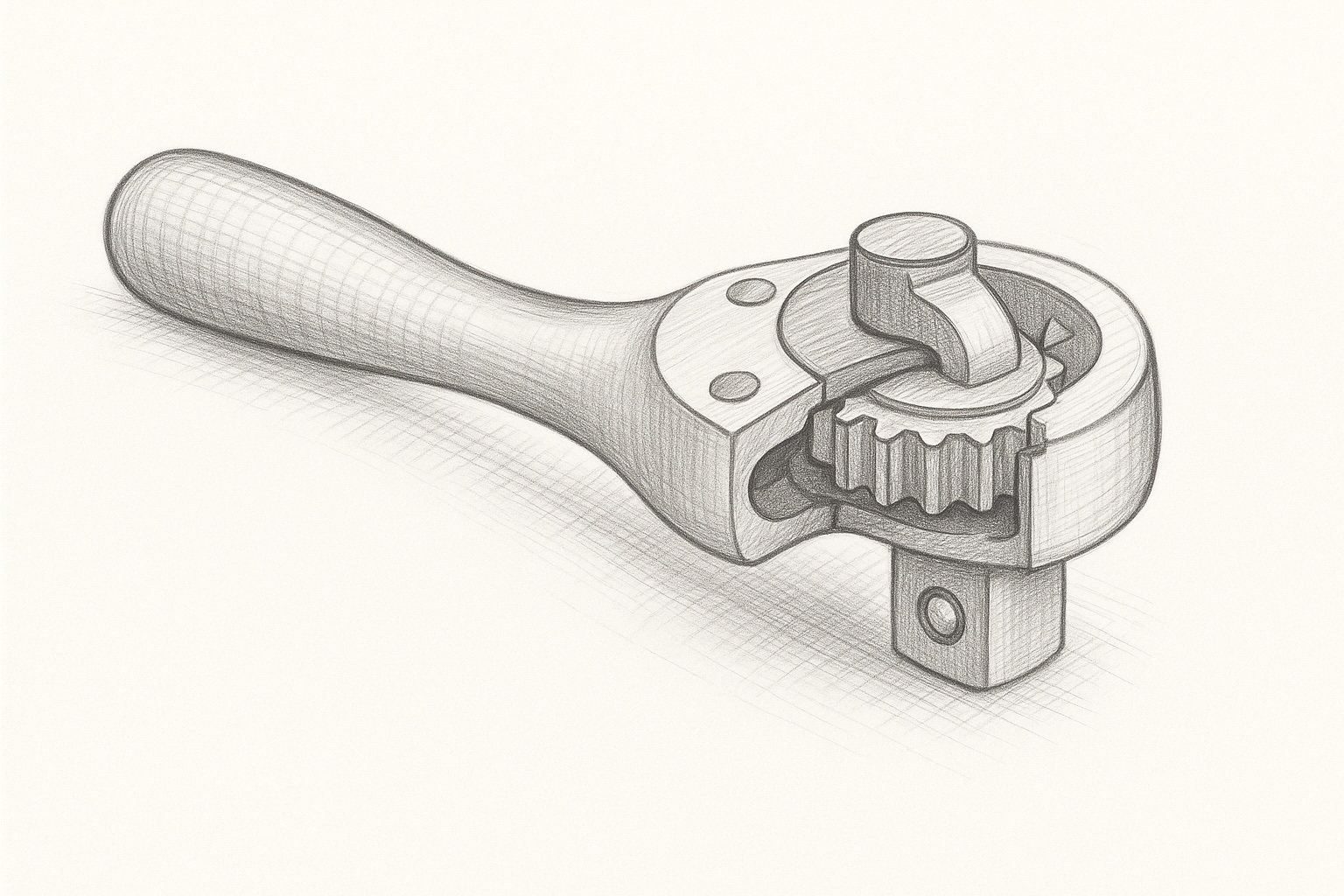
Our first and most intentionally used tool is something that I try to use in every discussion and meeting: the ratchet. It seems simple and obvious, but was so unreasonably effective at Google (and Meta) that I am regularly asked “how were you able to get that done?”
-
Go into meetings with senior leaders with a clear agenda and goals. Share it ahead of time and treat them like adults (e.g. expect them to have read it; as you identify those who don’t, build specific scaffolding for them that doesn’t waste everyone else’s time).
-
Frame the discussion around the agenda and goals. Confirm the areas of agreement you achieve.
-
Leave time to recap as a conclusion. Confirm live the agreements you reached and that you will own following up.
-
Follow up. Thank them for the work getting to agreement and memorialize this agreement in the follow up. Remind them of the context. Be clear about any remaining work or next steps.
This is the ratchet. The follow up email — built on top of the meeting conclusion — is where you get a paper trail of your agreements and how they fit into the larger goals and story. This is the email you’ll use when a leader goes back on the agreement later — not to call them out, but to work with them about what might have changed given their prior agreement.
Note that this works no matter how little was agreed to
Ratchets are great tools because they allow you to apply force in one direction without backsliding. Any click forward is a win. It’s the same with large organizations with conflicting goals. Any agreement — if you can hold on to it — is a huge win.
It also removes the pressure of having to do single-stage-to-orbit in one meeting. No SVP managing billions of dollars in responsibility is going to agree to something that constrains them all at once. Nor should they. But it can kill a CEO’s effectiveness for those same SVPs to never agree.
Commit and disagree
Amazon has a “disagree and commit” company value. Google’s is to commit and then disagree.
— Anonymous Google Engineering Leader, trying to convince me TAG’s mission was impossible
Smart creative people love to argue about things and tech companies are full of smart, creative people. It’s why Amazon made it a Core Leadership Principle, part of “Have Backbone; Disagree and Commit.” But most organizations struggle with this, so you’ll need to navigate it.
When you do, use the ratchet. By forceing discipline and alignment around goals, creating ways to preserve agreemnet, and prevent backsliding, it gives you powerful tools to collaborate and help leaders reach better outcomes.